Condensation on walls: why it happens and how to stop it
Updated June 2026
Condensation on walls happens when warm, moist air meets a cold wall and the moisture turns to water on the surface. It’s the most common cause of damp and mould in UK homes, and usually the cheapest to fix, because the answer is ventilation and heating rather than building work. It’s also the one most often misdiagnosed as rising damp and over-treated.
Why condensation forms on walls
Everyday life puts a lot of water into the air: cooking, showering, drying clothes indoors, even breathing overnight. Warm air holds that moisture until it touches something cold, like an external wall or a window, where it condenses into droplets. In a well-ventilated, evenly heated home the moisture clears. In a sealed-up or intermittently heated one it settles on the coldest surfaces, and black mould follows.
Modern double glazing and draught-proofing often make it worse in older Brighton homes, because the moisture that used to escape is now trapped inside.
How to tell condensation from other damp
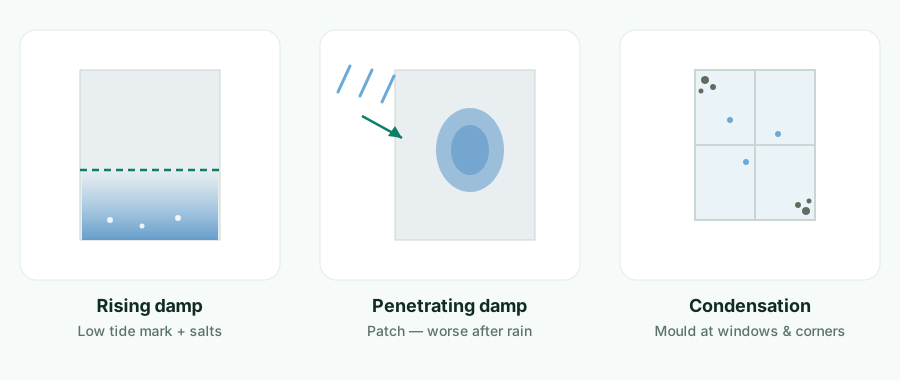
- Condensation: black mould around windows, in corners and behind furniture; worse in winter; streaming windows.
- Rising damp: a low tide mark with salt deposits near the floor.
- Penetrating damp: a defined patch that worsens after rain.
Getting this right matters: treating condensation as rising damp means you pay for a damp-proof course you never needed.
How to stop condensation on walls
The fix is reducing moisture and improving airflow:
- Ventilate at the source — use extractor fans in the kitchen and bathroom, and leave them running after cooking or showering.
- Don’t dry washing on radiators without ventilation. One load releases a lot of water.
- Keep steady background heat — cold walls are where condensation forms, so low constant heat beats short bursts.
- Let air circulate — pull furniture a few centimetres off external walls.
- Improve ventilation where it’s widespread, from better extractors to a whole-house positive input system.
- Address cold spots with insulation where that’s the underlying cause.
Our condensation and mould service covers the lot, and if it really is condensation we’ll tell you, not sell you damp-proofing.
Condensation on walls FAQs
Is condensation on walls the same as damp?
It is a form of damp, but it comes from moisture in the air inside the home, not from the ground or a leak outside. That’s why the fix is ventilation, not a damp-proof course.
Why do I get black mould even though I treated the wall?
Because the moisture in the air is still condensing on the cold wall. Repainting over mould without improving ventilation never lasts. See our guide to getting rid of black mould.
Does condensation damage walls?
Over time, yes. Persistent condensation feeds mould, damages plaster and decoration, and can affect health, so it’s worth fixing properly.
Struggling with condensation and mould in Brighton or Hove? Book a free survey and we’ll find the cause.