The signs of rising damp (and how to be sure)
Updated June 2026
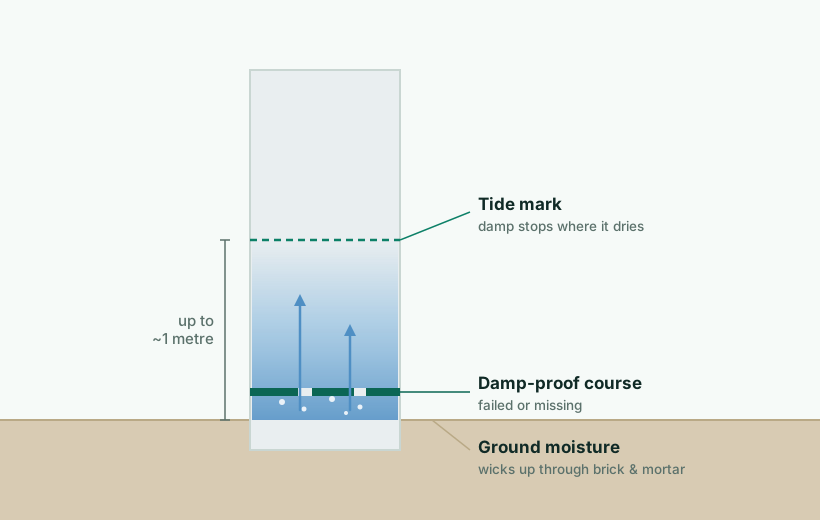
The clearest sign of rising damp is a tide mark up to about a metre above the skirting, usually with crumbling plaster, white salt deposits and a musty smell low down on a ground-floor wall. The catch is that several of these signs overlap with condensation and leaks, so the symptoms point you in the right direction but a survey is what confirms it.
The main signs of rising damp
Look for these together rather than in isolation:
- A tide mark — a horizontal stain, often yellowish or brown, up to roughly a metre up the wall
- Salt deposits — white, fluffy efflorescence brought up out of the ground
- Crumbling or bubbling plaster near the floor
- Peeling paint or lifting wallpaper low on the wall
- Damp, springy or rotting skirting boards and floor timbers
- A musty smell at floor level
The height is the biggest tell. Rising damp can only climb so far before it dries out, so it stays low. Damp higher up the wall is almost always something else.
How to be sure it’s rising damp
Because the signs overlap, rule out the two common lookalikes:
- If the damp is around windows and in corners with black mould, it’s probably condensation.
- If it’s a patch that worsens after rain, it’s likely penetrating damp.
- If it’s a low tide mark with salts that’s there in all weathers, rising damp is the likely culprit.
A proper damp survey uses moisture readings and an inspection of ground levels, render and guttering to confirm the cause before any work is quoted. This is the step that stops people paying for the wrong treatment.
What to do about it
If it is rising damp, treatment means a new damp-proof course, removing the salt-contaminated plaster, and replastering with a salt-resistant finish. Our rising damp pillar guide covers the full picture, and the rising damp treatment page explains how we do it.
Signs of rising damp FAQs
How far up the wall does rising damp go?
Usually up to about a metre. Damp higher than that is more likely condensation or a leak.
Are salt deposits always rising damp?
Salts (efflorescence) are a strong indicator, because rising damp draws them up out of the ground, but a survey confirms it alongside the other signs.
Can I check for rising damp myself?
You can spot the signs, but a reliable diagnosis needs a proper inspection. Cheap DIY meters often misread, which is how condensation gets mistaken for rising damp.
Seeing the signs in a Brighton or Hove home? Book a free survey for an honest diagnosis.