How to get rid of damp (the right fix for each type)
Updated June 2026
To get rid of damp for good, you have to fix the right cause, and there are three different ones. Rising damp needs a new damp-proof course, penetrating damp needs the outside fault repaired, and condensation needs better ventilation. The reason so many people pay twice is that they treat the wrong one. So step one is always identifying which type you actually have.
First, work out which damp you have
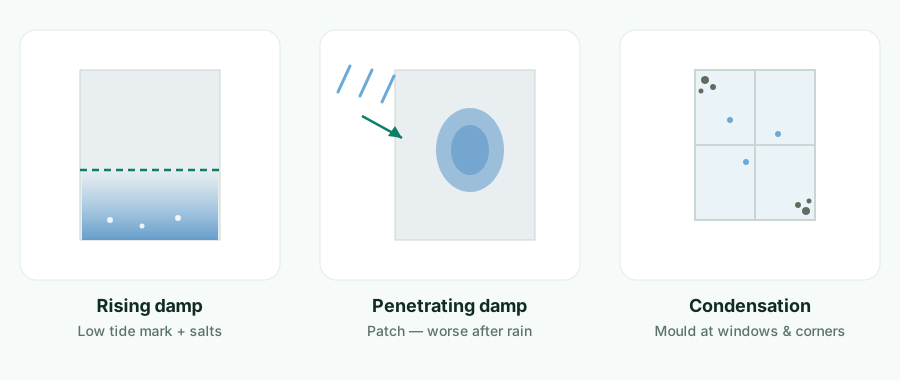
- Condensation — black mould around windows and in corners, worse in winter, streaming windows. The most common by far.
- Rising damp — a low tide mark with salt deposits, up to about a metre up a ground-floor wall.
- Penetrating damp — a defined patch that worsens after rain.
Get this right before spending anything. A damp survey confirms it if you’re unsure.
Getting rid of condensation
Usually the cheapest to fix, because it’s about moisture in the air, not the building. Improve ventilation (extractor fans, leave them running), keep steady background heat, stop drying washing indoors without airflow, and pull furniture off cold walls. Full detail in our guides to condensation on walls and getting rid of black mould.
Getting rid of rising damp
A failed or missing damp-proof course is the cause, so the fix is a new DPC (usually injected cream), removing the salt-contaminated plaster, and replastering with a salt-resistant finish. See the rising damp guide and our rising damp treatment page.
Getting rid of penetrating damp
Fix the source first, whether that’s failed pointing, cracked render, blocked gutters or defective flashing, then let the wall dry and replaster inside. More in our penetrating damp guide.
Why “treating the wall” alone rarely works
Painting over damp, slapping on fresh plaster, or using anti-damp paint without fixing the cause is the most common mistake. It hides the problem for a few months, then it returns, because the moisture source is still there. The lasting fix is always cause-first.
Getting rid of damp FAQs
What’s the most common type of damp?
Condensation, by a wide margin, and it’s usually the cheapest to resolve because the fix is ventilation rather than building work.
Can I get rid of damp myself?
Condensation often responds to ventilation and heating changes you can make yourself. Rising and penetrating damp usually need specialist diagnosis and treatment to fix properly.
How much does it cost to get rid of damp?
Anywhere from a few hundred pounds for condensation to several thousand for basement waterproofing. See our damp proofing cost guide.
Not sure which damp you’ve got in your Brighton or Hove home? Book a free survey and we’ll diagnose it properly.